
The Big Picture:
In the business environment of modern workplaces, a pivotal concept has emerged as a foundation for success: psychological safety. This powerful concept revolves around, without fear of retribution, creating an environment where individuals feel secure enough to take risks, voice their thoughts, and foster innovation. In leadership, understanding and implementing psychological safety is the key to unlocking the full potential of teams and organizations.
Why It Matters:
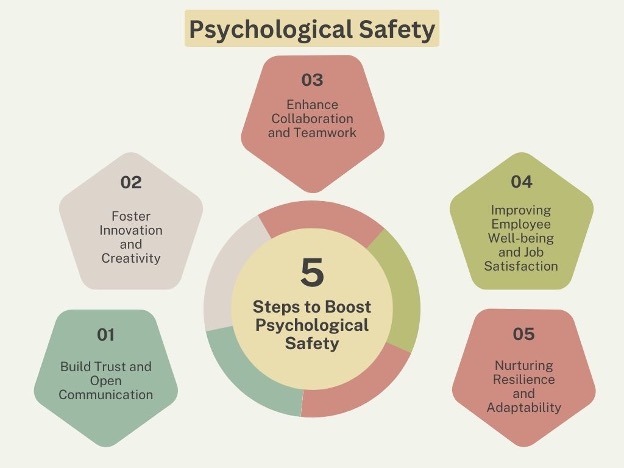
Psychological safety matters because it is the foundation of trust and collaboration within teams. When employees feel safe to express their ideas and concerns openly, it fosters an atmosphere of creativity and innovation. This, in turn, leads to higher engagement, enhanced problem-solving, and improved overall job satisfaction. In a world where constant change is the norm, psychologically safe environments empower employees to adapt, learn, and grow, ensuring the long-term vitality of the organization.
The Bottom Line:
The impact of psychological safety on the bottom line is both tangible and significant. Research indicates that psychologically safe teams are more likely to experiment, innovate, and outperform their peers. Moreover, organizations that prioritize psychological safety experience reduced turnover rates and higher levels of employee retention. This saves costs associated with recruitment and training and leads to increased productivity and profitability. Investing in psychological safety translates into a thriving workplace, satisfied employees, and a healthy bottom line.
Case Study: Google’s Journey to Psychological Safety
One of the most compelling examples of the power of psychological safety comes from Google. In the early 2000s, Google embarked on a quest to understand what makes a successful team. Project Aristotle was a meticulous study that revealed psychological safety as the cornerstone of effective teams.
In one instance, a team leader at Google, Laszlo Bock, encouraged open dialogue within his team, allowing members to freely express their ideas and concerns. This approach transformed the team’s dynamics, leading to innovative solutions and heightened productivity. The team’s ability to challenge each other without fear of reprisal created an environment where everyone felt valued, fostering a culture of trust and collaboration.
Final Thoughts: The Strategic Imperative for Leaders
Understanding and championing psychological safety is not just a leadership approach; it’s a strategic imperative. By embracing this concept, leaders can create workplaces where employees are not afraid to dream big, challenge the status quo, and collaborate fearlessly. The big picture reveals a future where organizations thrive, employees flourish, and innovation becomes a way of life. Psychological safety is not merely a workplace ideal—it’s the essence of enlightened leadership and the cornerstone of a prosperous, sustainable future.
Please check out my other related post on my T.R.I.P. Pillars of Leadership and the power of purpose..










Hi, this is a comment.
To get started with moderating, editing, and deleting comments, please visit the Comments screen in the dashboard.
Commenter avatars come from Gravatar.