
In the ever-evolving landscape of leadership, myths and misconceptions can significantly hinder the growth and effectiveness of even the most well-intentioned leaders. Drawing from over half a century of experience across various industries, I’ve identified seven common leadership myths that need to be addressed.
Myth 1: Leaders Must Have All the Answers
The Reality: Effective leadership isn’t about having all the answers but about asking the right questions and fostering a culture of collaboration and continuous learning. Leaders should be facilitators of solutions rather than sole providers.
Myth 2: Leadership Is a Natural Born Trait
The Reality: While some individuals may possess natural charisma, true leadership skills are developed through experience, self-improvement, and learning. Anyone with the right mindset and dedication can become a great leader.
Myth 3: The Leader Is Always the Hardest Worker in the Room
The Reality: Leadership is not about outworking everyone on your team. It’s about inspiring, guiding, and enabling others to reach their full potential. A leader’s role is strategic and involves delegating effectively.
Myth 4: Emotion Has No Place in Leadership
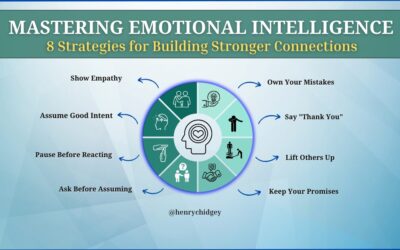
The Reality: Emotional intelligence is crucial in leadership. Understanding and empathizing with your team will lead to stronger connections and more effective team dynamics. Leaders should embrace, not suppress, emotional intelligence.
Myth 5: Leaders Should Maintain Distance from Employees
The Reality: Trust and respect are the foundations of effective leadership, and these are built through genuine connections with your team. While maintaining professionalism, leaders should be approachable and relatable.
Myth 6: Leadership Means Never Showing Weakness
The Reality: Authenticity in leadership includes the ability to admit mistakes and vulnerabilities. This transparency builds trust and sets a powerful example for your team about learning and resilience.
Myth 7: A Good Leader is a Popular Leader
The Reality: Leadership isn’t a popularity contest. Sometimes, making tough decisions for the greater good of the team or the project can be unpopular. Effective leaders prioritize what’s right over what’s liked.
Conclusion Dispelling these myths is crucial for the development of effective and genuine leadership. Leaders must continuously challenge conventional wisdom and embrace a more holistic, empathetic, and adaptive approach to leadership. Remember, leadership is a journey, not a destination, and it’s filled with constant learning and growth.









0 Comments